
Designing a Theatre Curtain Track System from Scratch
Designing a theatre curtain track system from scratch requires more than simply selecting a track. It involves understanding the space, the production requirements, and how each component works together to deliver smooth, safe, and reliable operation.
At Hall Stage, we design and supply stage curtain tracks, studio tracks, pulleys, winches, and screen frames for theatres and studios across the UK and internationally. This guide walks through the key steps in designing a system that performs properly from day one.
Understand the Venue and Use Case
Start with the fundamentals:
- Type of venue: theatre, studio, multi-purpose space
- Stage size and layout
- Ceiling height and rigging infrastructure
- Frequency of curtain use
- Type of productions (drama, touring, broadcast, events)
A system designed for a touring venue will differ significantly from a permanent theatre installation.
Define Curtain Requirements
Curtains drive the entire specification. Consider:
- Weight and material (velour, acoustic, blackout, etc.)
- Width and height of the opening
- Type of movement (bi-parting, traveller, masking)
- Speed and frequency of operation
Heavier and more frequently used curtains typically require stronger tracks, higher-spec carriers, and potentially motorised or winch-assisted systems.
Choose the Right Track System
Selecting the correct stage curtain track is critical.
Walkalong Tracks
- Manual operation
- Cost-effective and simple
- Suitable for smaller venues
Corded Tracks
- Allows operation from one position
- Better control for medium-sized systems
Motorised Tracks
- Ideal for large or frequently used curtains
- Provides smooth, consistent movement
- Reduces manual handling
The choice depends on scale, usage, and budget.
Plan the Track Layout
The physical layout of the system impacts both performance and cost:
- Straight vs curved tracks
- Number of tracks (main drape, legs, borders, masking)
- Overlap requirements for full blackout
- Integration with other stage elements
Curved or complex layouts require careful design to ensure smooth movement and consistent load distribution.
Specify Carriers, Pulleys, and Drives
A curtain track system is only as good as its components:
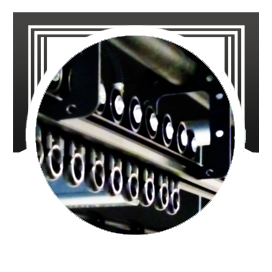
- Carriers: must match curtain weight and track profile
- Pulleys: ensure smooth directional changes
- Winches or drives: for assisted or motorised movement
For example:
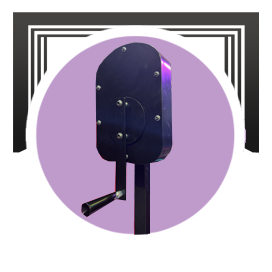
- Capstan winches provide controlled movement and tension
- Motorised drives automate operation for larger systems
Getting this wrong is one of the most common causes of poor performance.
Step 6 – Consider Structural Support and Installation
Curtain tracks must be properly supported:
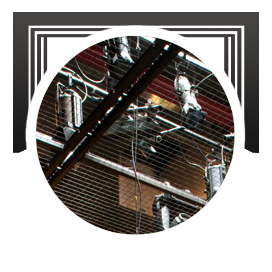
- Fixing to steelwork, grids, or ceilings
- Load distribution across brackets and supports
- Access for installation and maintenance
Installation constraints can significantly influence design decisions, especially in existing or heritage venues.
Integrate with the Wider System
Curtain tracks rarely operate in isolation. Consider integration with:
- Lighting grids and rigging systems
- Studio tracks and masking systems
- Projection screens and screen frames
- Control systems for automation
A joined-up approach ensures efficiency backstage and flexibility for productions.
Plan for Maintenance and Longevity
A well-designed system should be easy to maintain:
- Accessible components for inspection
- Durable materials suited to usage levels
- Replaceable parts such as carriers and pulleys
Designing for longevity reduces long-term costs and downtime.
Common Design Mistakes to Avoid
- Underestimating curtain weight
- Choosing the wrong track type for usage
- Ignoring installation constraints
- Overcomplicating the system unnecessarily
- Failing to plan for future changes
Why Work with Hall Stage
- Experience Since 1898 – extensive expertise in theatre engineering
- International Projects – systems used worldwide
- Technical Knowledge – decades of experience within our team
- Complete Solutions – tracks, pulleys, winches, and screen frames designed together
- Custom Design Approach – every system tailored to the venue
FAQs
What is the most important factor when designing a curtain track system?
A: Curtain weight and usage. These determine the type of track, carriers, and drive system required.
Should I choose motorised or manual tracks?
A: It depends on scale and frequency of use. Larger, frequently used systems benefit from motorisation.
Can systems be upgraded later?
A: Yes, but designing correctly from the start is more cost-effective and ensures better performance.
Conclusion
Designing a theatre curtain track system from scratch requires careful consideration of space, usage, and integration.
With the right specification and expert input, you can create a system that delivers smooth operation, reliability, and flexibility for years to come.
Hall Stage works closely with clients to design systems that balance performance, cost, and long-term value.